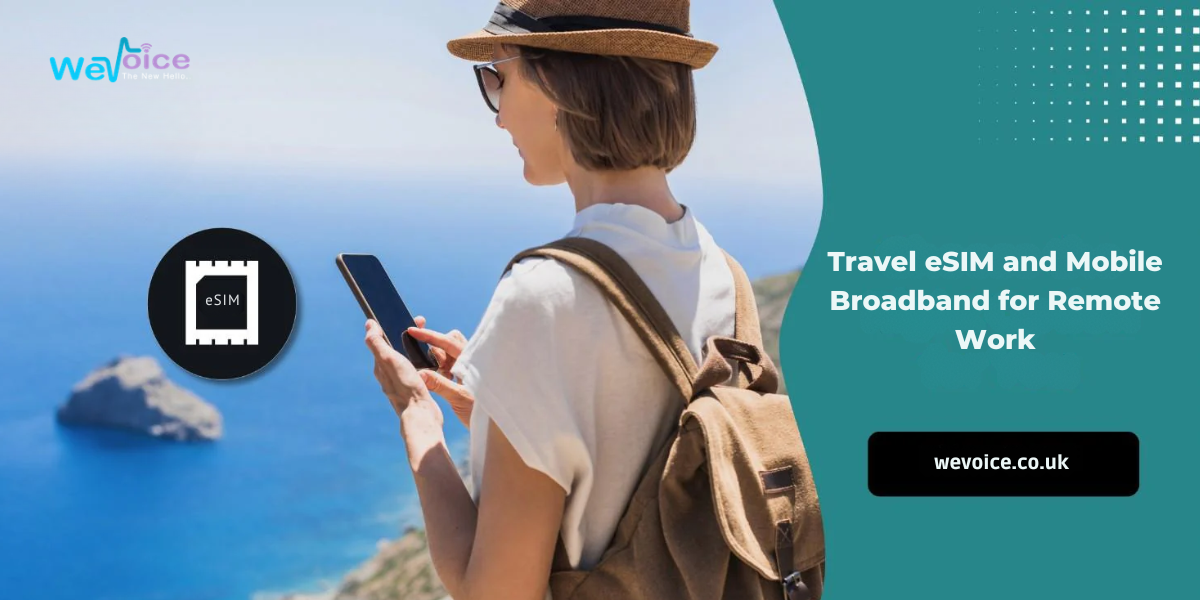
International travel has evolved dramatically over the past decade. From digital boarding passes to mobile payments, travellers now expect convenience and flexibility in every aspect of their journey. One of the latest developments transforming global connectivity is the travel eSIM — a digital alternative to traditional SIM cards that allows users to activate mobile data plans instantly without inserting a physical card.
For modern travellers who depend on reliable connectivity for navigation, communication, and remote work, travel eSIM technology offers a practical solution. As international tourism rebounds and digital lifestyles become the norm, the adoption of eSIM technology is accelerating worldwide.
This article explores the rise of travel eSIMs, how they work, why they are becoming increasingly popular among travellers, and what users should consider before choosing one.
Table of Contents
- What Is a Travel eSIM
- Why Travel eSIM Adoption Is Growing
- Key Benefits of Using a Travel eSIM
- How Travel eSIM Activation Works
- Device Compatibility: What Travellers Should Check
- Security and Reliability Considerations
- Challenges and Limitations of Travel eSIMs
- The Future of Travel Connectivity
What Is a Travel eSIM?
A travel eSIM is a digital SIM profile embedded within a compatible device such as a smartphone, tablet, or smartwatch. Instead of inserting a physical SIM card, users download a mobile network profile directly onto their device to access mobile data services.
Once installed, the eSIM connects to local mobile networks through partnerships established by the service provider. It allows travellers to access data plans abroad without purchasing a local SIM card or relying on international roaming.
Unlike traditional SIM cards, an eSIM does not require physical handling. The installation process typically involves scanning a QR code or downloading a configuration profile, making activation quick and convenient.
Why Travel eSIM Adoption Is Growing?
The global adoption of travel eSIMs is rising rapidly due to increased international travel and the growing demand for seamless connectivity.
Recent studies highlight several key trends:
- Around 19% of global travellers were already using eSIMs by 2025, rising to 26% among multi-country travellers.
- The number of travel eSIM users is projected to grow from 40 million in 2024 to more than 215 million by 2028.
- The global eSIM market is expected to grow significantly as more smartphones include built-in eSIM support.
International tourism recovery is another factor contributing to this growth. As global travel volumes return to pre-pandemic levels, travellers increasingly seek simple and affordable connectivity solutions when abroad.
For many travellers, travel eSIMs are becoming a convenient alternative to traditional roaming services or local SIM purchases.
Key Benefits of Using a Travel eSIM
1) Instant Connectivity Without Physical SIM Cards
One of the most noticeable advantages of travel eSIMs is the ability to activate mobile connectivity digitally. Instead of searching for SIM vendors at airports or local shops, travellers can download their eSIM profile before departure and activate it upon arrival.
This process reduces setup time and eliminates the need to remove or replace a physical SIM card.
2) Cost Control Compared to Traditional Roaming
International roaming charges from traditional mobile operators can be expensive. Travel eSIM providers often offer prepaid data packages designed specifically for international use.
In many cases, travellers can purchase short-term plans that align with their travel duration, avoiding long-term contracts or unexpected roaming fees.
3) Flexibility for Multi-Country Trips
Travellers visiting multiple destinations often face connectivity challenges when switching between local SIM cards.
Many travel eSIM plans provide regional coverage, allowing users to remain connected across several countries without purchasing multiple SIM cards. It is particularly useful for:
- European multi-country trips
- International business travel
- Long-term backpacking journeys
4) Dual SIM Functionality
Most modern smartphones support dual SIM functionality, enabling users to keep their primary SIM active while using an eSIM for travel data.
This means travellers can:
- Keep their home number for calls or verification messages
- Use the travel eSIM for mobile data abroad
- Switch between networks through device settings
This setup is particularly useful for business travellers who must remain reachable on their primary number.
5) Convenience for Digital Nomads and Remote Workers
Remote work and digital nomad lifestyles have increased the demand for reliable mobile connectivity while travelling.
Business travellers currently account for around 30.5% of the travel eSIM market, while remote workers represent about 18.7%, highlighting the strong demand for consistent mobile connectivity across locations.
Reliable mobile data allows travellers to attend virtual meetings, access cloud platforms, and communicate with colleagues without relying solely on public Wi-Fi networks.
How Travel eSIM Activation Works?
The installation process for most travel eSIM services is straightforward. While the exact steps may vary between providers, the typical setup process includes:
1. Choose a Destination or Region: Users select a data plan based on their travel destination and duration. Plans may cover a single country, a region, or global connectivity.
2. Receive an eSIM Profile: After purchase, the provider sends a QR code or activation link via email or mobile app.
3. Install the eSIM on a Compatible Device: The user scans the QR code using the device’s mobile network settings, downloading the eSIM profile directly to the device.
4. Activate Upon Arrival: Once the device reaches the destination, the eSIM connects automatically to available partner networks.
This process eliminates the need for physical SIM swaps and allows travellers to prepare their connectivity before leaving home.
Device Compatibility: What Travellers Should Check
Although eSIM adoption is growing rapidly, not all devices support the technology yet.
Most newer smartphones released in recent years include eSIM functionality, particularly premium models from major manufacturers. However, compatibility may vary by region and device variant.
Before purchasing a travel eSIM, travellers should verify:
- Whether their device supports eSIM
- Whether their device is unlocked
- Whether the provider supports their destination
Checking these details helps avoid connectivity issues after arrival.
Security and Reliability Considerations
Travel eSIMs operate using secure mobile network infrastructure similar to traditional SIM cards. The eSIM profile contains the credentials required to authenticate with mobile networks, and these credentials are stored securely within the device’s embedded SIM chip.
In addition to network-level security, many travellers prefer eSIM connectivity because it reduces reliance on public Wi-Fi, which can expose users to security risks.
Using mobile data can offer a more secure connection when accessing work platforms, banking applications, or personal accounts while travelling.
Challenges and Limitations of Travel eSIMs
While travel eSIMs provide convenience and flexibility for international connectivity, travellers should also be aware of certain practical limitations. Understanding these challenges helps users make informed decisions and choose the right connectivity option for their trips.
1. Limited Awareness Among Travellers
Despite rapid growth in digital connectivity solutions, many travellers are still unfamiliar with eSIM technology. A significant number of smartphone users continue to rely on traditional physical SIM cards simply because they are unaware that their devices already support eSIM functionality.
This lack of awareness often leads travellers to purchase local SIM cards at airports or depend on expensive international roaming plans from their home networks. As more telecom providers, travel platforms, and device manufacturers highlight eSIM capabilities, awareness is gradually improving. Educational content and clearer guidance during the purchase process are also helping travellers understand how eSIMs work and how easily they can be activated.
2. Device Compatibility Limitations
Although eSIM adoption is increasing, not every smartphone currently supports this technology. Older devices and certain entry-level models may still require a traditional SIM card. Travellers must therefore confirm whether their device is eSIM-compatible before purchasing a travel eSIM plan.
Most newer flagship smartphones—including recent models from major manufacturers—support eSIM functionality, but compatibility can vary depending on the device model, region, or carrier restrictions. Checking the device specifications or settings beforehand ensures travellers avoid connectivity issues during their trip.
3. Difficulty Comparing Plans
Another common challenge is comparing different travel eSIM plans available on the market. Providers often offer plans with varying data allowances, validity periods, regional coverage, and pricing structures. For travellers unfamiliar with mobile data terminology, evaluating these differences can be confusing.
For example, some plans may provide regional coverage across multiple countries, while others are limited to a single destination. Similarly, validity periods can range from a few days to several weeks, depending on the provider and package selected. Travellers therefore need to carefully review plan details to ensure the selected option matches their trip duration and expected data usage.
4. Network Performance Variations
Travel eSIMs typically rely on partnerships with local network operators in each destination. While this approach allows travellers to connect to established infrastructure, network performance can vary depending on the region, the partner carrier, and the availability of 4G or 5G services.
In urban areas, travellers usually experience stable high-speed connectivity. However, coverage may be less consistent in remote or rural locations where network infrastructure is still developing.
5. Initial Setup for First-Time Users
For travellers using eSIM technology for the first time, the installation and activation process may feel unfamiliar. Although most providers offer straightforward QR-code activation, users must still navigate device settings, download the eSIM profile, and enable mobile data correctly.
Once the process is completed, however, future eSIM installations typically become much easier, as travellers become familiar with the setup steps.
6. Growing Adoption Despite Challenges
Despite these limitations, the global adoption of eSIM technology continues to grow steadily. Smartphone manufacturers are increasingly integrating eSIM functionality into their devices, and telecom providers worldwide are expanding support for digital SIM provisioning.
As awareness increases and compatibility improves, travel eSIMs are expected to become an even more common solution for international connectivity. For many travellers, the convenience of instant activation, digital management, and flexible data plans already outweighs the current limitations.
The Future of Travel Connectivity
The travel connectivity landscape is evolving rapidly. As more smartphones include eSIM support and international travel continues to recover, digital connectivity solutions are expected to play a larger role in global mobility.
Industry forecasts suggest billions of devices will become eSIM-enabled in the coming years, reflecting a broader shift toward digital SIM technology.
Travel eSIM services are also expanding coverage across more countries and regions, enabling travellers to stay connected across multiple destinations without changing networks.
For travellers seeking convenience, flexibility, and predictable connectivity costs, travel eSIMs are becoming an increasingly practical option.
Conclusion
Travel today depends heavily on reliable mobile connectivity — whether for navigation, communication, remote work, or sharing experiences online. Travel eSIM technology offers a modern approach to staying connected abroad, removing the need for physical SIM cards while enabling flexible data access across multiple destinations.
As international travel continues to grow and digital lifestyles become more common, travel eSIMs are likely to play an increasingly important role in how travellers manage connectivity worldwide.For those planning their next trip, exploring travel eSIM options from We Voice can help ensure reliable mobile data access from the moment they arrive at their destination.